

By Douglas V. Gibbs
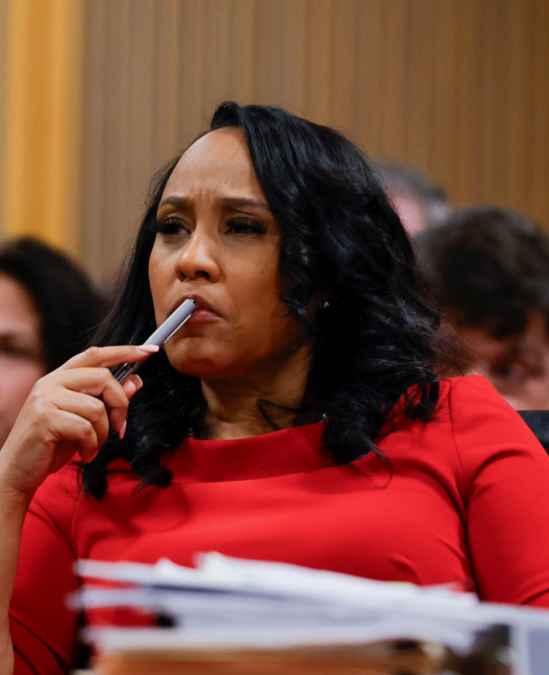
Fulton County District Attorney Fani Willis is facing a series of accusation, investigation and potential disciplinary actions centered on her handling of the Georgia 2020 election-interference case against Donald J. Trump. It is important to recognize that there have been no criminal charges brought against her. However, a GOP-led committee of the Georgia State Senate is currently probing her conduct. The Georgia representatives that have questioned her are doing so over a list of allegations that could lead to further legal action.
Questions about a conflict of interest have arisen based on her romantic relationship with special prosecutor Nathan Wade, whom she hired for the Trump election-interference case. The situation led to a Georgia Court of Appeals to disqualify her from the Trump case in 2024. After an appeal, the Georgia State Supreme Court later upheld that disqualification in 2025. The committee’s questioning probing her conduct has included her hiring of Wade, her management of the Trump case, and whether her actions constituted ethical violations or misuse of taxpayer money. While the committee has no power to bring criminal charges, they can recommend legislative or administrative actions.
Willis testified for hours, defending her actions and calling the investigation politically motivated. The list of accusations against her includes a conflict of interest because of her relationship with prosecutor Nathan Wade, misuse of funds based on claims she benefited from Wade’s pay and travel, and professional misconduct claims and ethical violations.
The committee’s questioning about her handling of the Trump 2020 election-interference case is largely what has her screaming the investigation is politically motivated. The committee claims her handling of the case may have involved misconduct or political bias. There is also a suggestion that there was possible coordination with federal officials, but she denied any connection to the Biden administration.
When Fani Willis testified before the Georgia State Senate Investigative Committee, she chose to insert into her testimony accusations about racist threats, slurs, and harassment, which included references to the N-word being used in messages sent to her office. What she is trying to do is frame the broader environment she works in as being one that has led to her being targeted not just for her decisions, but because she’s a Black woman in a high profile role. The thing is, the hearing is about alleged misconduct, not about the threats she has received. Bringing up the harassment doesn’t address the core questions about hiring Nathan Wade, spending decisions, or potential conflicts of interests. I believe she’s trying to shift the focus, invoke sympathy, and frame the investigation as racially motivated rather than substantively motivated.
If successful, she could reframe the whole narrative from “Did you misuse your office?” to “Are you being unfairly targeted?” Doing such can rally her political base, especially in Atlanta and among Democratic voters. It moves her position from someone unfairly targeting Trump to someone under attack, which could be a powerful defensive posture in political hearings.
The thing is, none of that matters. All that matters is the committee’s purpose: to investigate alleged misconduct. While her rhetorical strategy of highlighting any hostile treatment she’s received may help at a certain level, in the end, this entire episode isn’t about race, or rhetoric, or who can deliver the most dramatic monologue in a hearing room. It’s about something far more basic: the integrity of public office. When a prosecutor is entrusted with the power to bring cases that can alter the course of elections and the lives of citizens, that power must be exercised with transparency, accountability, and an unwavering commitment to ethical conduct.
The Georgia Senate didn’t call Fani Willis to testify about the hateful messages she’s received and no decent person excuses that kind of behavior. They called her to answer for her own decisions, decisions that led to her disqualification from one of the most consequential cases in the country. And when the questions got uncomfortable, she reached for a narrative that had nothing to do with the allegations in front of her, and something that always works: claims of racism.
But accountability doesn’t bend to personal narratives. It doesn’t pause for political theater. And it doesn’t disappear because someone shifts the spotlight. At the end of the day, the rule of law demands answers, not deflection, not distraction, and not appeals to victimhood when the issue on the table is professional conduct and ultimately if her attacks against Trump were politically motivated in the first place.
Standards. Rule of Law. These are the things every public official should be held to. And that’s the standard the people of Georgia, and the country, deserve.
— Political Pistachio Conservative News and Commentary