
By Douglas V. Gibbs
Update: June 2, 2026 – Judge Decides to Follow the Constitution. https://www.newsmax.com/us/tyler-robinson-charlie-kirk-hearing/2026/06/01/id/1258190/
The assassination of Charlie Kirk caught national attention, and now the case against his murderer has all of us paying attention. The legal team representing Tyler Robinson, the individual accused of assassinating conservative activist Charlie Kirk, has waged a sustained battle to shield the proceedings from public view. Their efforts to close hearings, seal evidence, and restrict media coverage, however, is a direct assault on one of our most fundamental constitutional principles: the right to public trials.
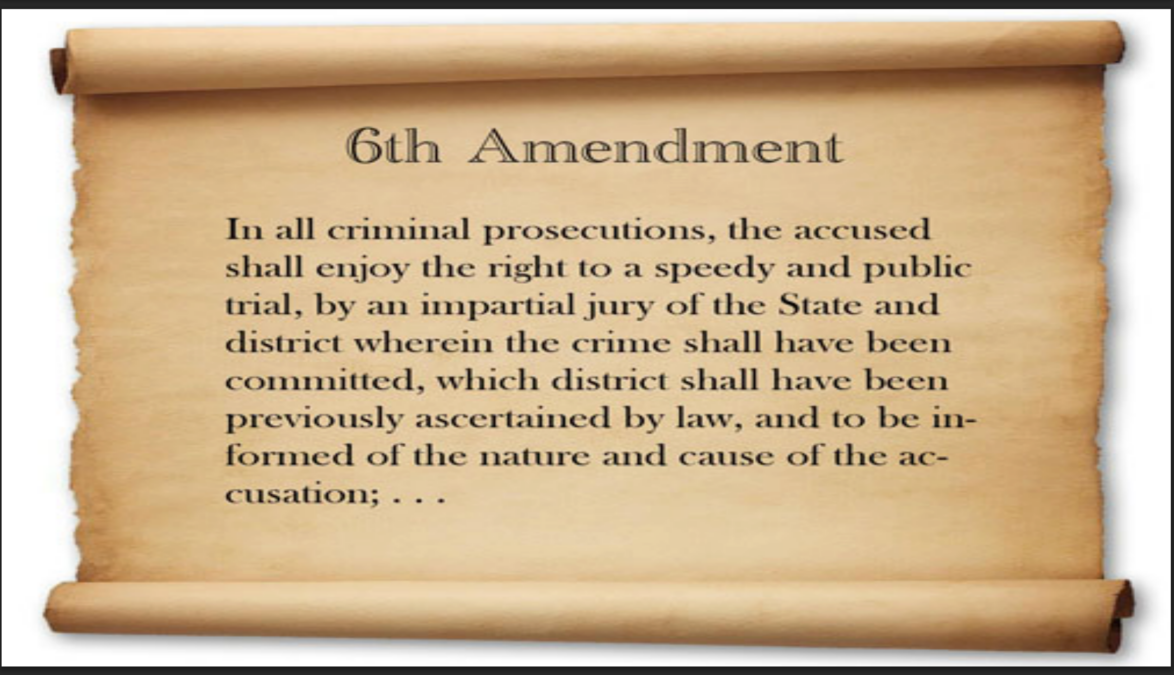
The Sixth Amendment enumerates the right to a public trial – deliberately inserted by the Founding Fathers because it was considered an important safeguard against tyranny. They understood from bitter experience that secret courts become instruments of oppression, where justice can be administered without accountability. As constitutional law professor Jonathan Turley has emphasized, the presumption of openness in our judicial system is not merely procedural but foundational to our republic.
Judge Tony Graf of Utah’s Fourth District Court recently rejected Robinson’s motion to close the preliminary hearing, ruling that “the presumptive constitutional right to open proceedings had not been overcome.”
This decision correctly recognized that while defendants have legitimate rights to a fair trial, these rights must be balanced against the public’s constitutional interest in transparent justice.
The defense’s arguments for secrecy center on concerns that media coverage might prejudice potential jurors. Yet, as Judge Graf noted, they failed to adequately demonstrate how an open hearing would compromise Robinson’s rights, especially given that “many tools already exist to prevent seating a prejudiced jury” and “much of the evidence prosecutors plan to present at the preliminary hearing is already public.”
This case is particularly troubling because of the strength of the evidence against Robinson. As Turley has observed, the prosecution’s case appears to be exceptionally strong, with what some legal experts have described as the “strongest” evidence they’ve ever seen in a murder case.
When the evidence is so overwhelming, the push for secrecy becomes even more suspect. What exactly requires protection from public view when the facts appear so clear?
The defense has sought to seal alleged confessions, DNA reports, surveillance footage, and key witness testimony – precisely the kind of evidence that the public has the greatest interest in seeing presented openly.
These efforts extend beyond just the preliminary hearing; Robinson’s lawyers have attempted to “close other hearings in the Utah trial, keep motions and evidence under seal and restrict news coverage of the case.”
This systematic assault on transparency reflects a dangerous trend in high-profile cases where defense attorneys increasingly use the pretext of protecting fair trial rights to undermine the very openness that ensures those rights are protected. The irony is palpable: using constitutional protections as a weapon against constitutional principles.
The public’s right to access courtroom proceedings serves multiple critical functions. It deters judicial misconduct, ensures that prosecutors and defense attorneys perform their duties properly, maintains confidence in the judicial system, and provides an educational function that helps citizens understand how justice is administered in their name.
When courts close their doors, they breed suspicion regardless of whether proceedings are fair. As Turley has warned, secret proceedings erode public trust precisely when it matters most – in cases involving prominent public figures where the justice system’s legitimacy is on display.
The Founding Fathers recognized that justice must be seen to be done. They understood that transparency is the hallmark of a free society, while secrecy is the tool of tyrants. In the Charlie Kirk murder case, we face a test of these principles: will we allow the constitutional guarantee of public trials to be eroded by tactical maneuvers, or will we affirm that even in the most contentious cases, our courts must remain open to public scrutiny?
Judge Graf’s decision to keep the preliminary hearing open represents a victory for constitutional principles, but the defense’s continued efforts to restrict access suggest this battle isn’t over.
As Americans who value our constitutional heritage, we must remain vigilant against any attempts to replace the sunlight of public scrutiny with the shadows of secret proceedings.
— Political Pistachio Conservative News and Commentary