

By Douglas V. Gibbs
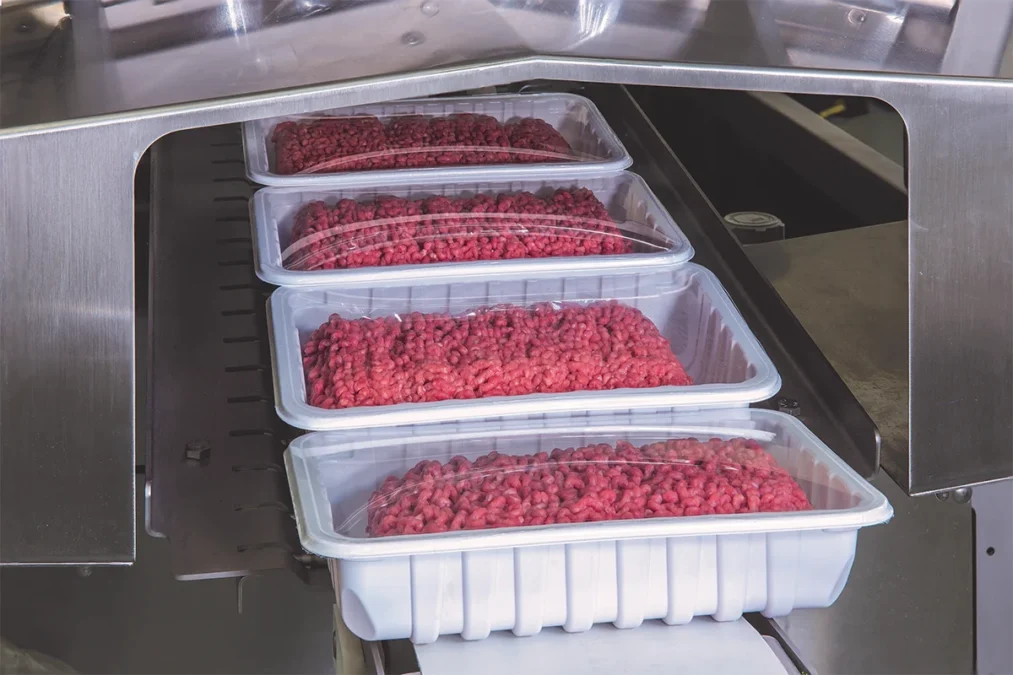
JBS Foods, the leading producer of beef in the United States, is closing their Riverside processing plant in Southern California, located about fifty-five miles east of Los Angeles. The plant’s closure on February 2, 2026 will affect 374 employees, and place pressure on a beef market that has already been struggling with high prices. The plant is not a slaughterhouse, but a packaging plant that prepares beef for grocery stores. The operations of the plant that is closing will be distributed and consolidated at other facilities in the United States, so countrywide it will have a minimal impact of beef prices.
Beef prices in California, however, are destined to rise higher as the rest of the country enjoys a reduction in price. The closure is likely to push prices higher in the Golden State due to regional supply chain issues. California relies heavily on local case-ready facilities like the one closing in Riverside, meaning that beef will now need to be shipped from farther away, increasing transportation and logistics costs. California’s strict labor, environmental, and trucking regulations amplify the cost of moving perishable goods.
Unlike other parts of the country, California does not have a dense cluster of beef plants, and the Riverside closure reduces local processing capacity, creating a regional supply pinch. However, California has among the largest populations in the U.S. with a strong demand for beef. Even modest supply disruptions can translate to noticeable price hikes at the grocery store. Because California is geographically distant from the Midwest cattle heartland, it is more exposed to regional shocks in processing and distribution. If the trend of facilities attached to the beef industry closing continues in California it would force a condition of sustained higher beef prices in the State as opposed to the dropping national average.
Operating in California is notoriously expensive due to labor, regulatory, and logistics costs. JBS is consolidating away from high-cost regions like California to improve efficiency, especially considering the tension regarding beef prices in recent years. While there has been concerns about cattle availability since that number of domestic cattle is lower than it has been nationally in many decades, the closure of the Riverside plant is not about how many cattle are available for production and is more about streamlining distribution and cutting costs. Tyson recently closed a Nebraska beef plant and scaled back operations in Texas, which suggests that JBS’s move is a part of a broader industry trend of consolidating facilities to cope with high costs and tighter supplies.
Various factors have beef prices nationally slowly coming down during the next year, but California, with fewer local processing facilities, will likely see higher beef prices. As the meatpacking landscape faces reshaping in the current environment, choosing to take advantage of the falling cost of doing business in places like The South is becoming increasingly popular. As long as places like California continue to practice high regulations, push high fees and taxes, push restrictive environmental regulations, and create governmental obstacles to doing business in those regions, the natural consequence will be higher prices, a reduced supply availability, and an exodus of businesses to places that are more affordable.
— Political Pistachio Conservative News and Commentary