
By Douglas V. Gibbs
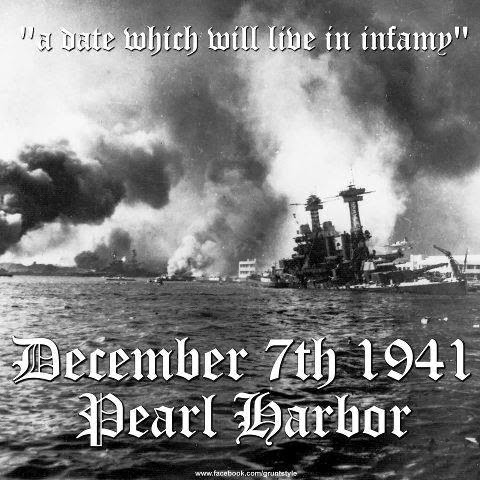
December 7, 1941 changed America forever. President Franklin Delano Roosevelt declared it “a date which will live in infamy.” The nation was stunned that an enemy had dared strike America’s shores. The horror of the surprise attack on Pearl Harbor, Hawaii, propelled the United States into World War II and united Americans behind a single cause: to defeat those who had attacked them.
The Japanese Empire killed more than 2,400 Americans in and around Pearl Harbor. Of those, 1,177 perished aboard the battleship USS Arizona. Though many decades have passed, and many today cannot recall the significance of December 7th, the memory endures for those who lived through that dark morning.
For countless military warriors of that time, every day of World War II carried the spirit of December 8th…the day after the attack; when resolve hardened. Many have told me that it was Pearl Harbor that drove them to the recruiting offices, determined to fight for their country.
On the home front, women filled factories, building aircraft and war machines. Families planted “Victory Gardens” to ease shortages, while the country, still scarred by the Great Depression, rallied to support the war effort. Pearl Harbor became the moment that transformed hardship into unity, binding a wounded America together.
Today, Pearl Harbor survivors and World War II veterans are nearly gone. Only a handful of those who fought remain. Yet, their sacrifice demands remembrance. As with the terror attacks of September 11, 2001, no one should forget the stunning assault on American soil at Pearl Harbor. Though memories fade, the meaning of that day must not. It remains, as Roosevelt said, a date which will live in infamy.
To forget history is to invite it to repeat itself.
— Political Pistachio Conservative News and Commentary