
By Douglas V. Gibbs
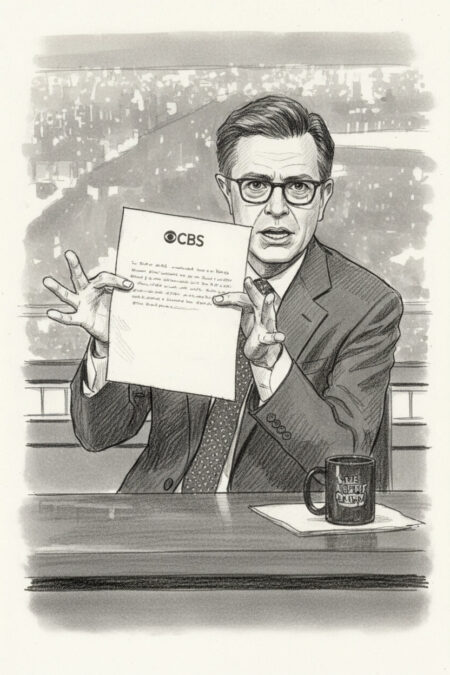
Late‑night host Stephen Colbert opened the week with a dramatic accusation: CBS, he claimed, had barred him from airing an interview with Democratic Texas Senate candidate James Talarico. The reason, according to Colbert, was fear of scrutiny from the Federal Communications Commission under the equal‑time rule. He went further, suggesting the Trump administration was using the FCC to silence critics on television.
It was a bold charge. It was also, according to both CBS and the FCC, false.
FCC Chair Brendan Carr told FOX News that Colbert’s version of events bore no resemblance to reality. “CBS was very clear that Colbert could run the interview that he wanted,” Carr said. The only caveat was the standard legal reminder that airing one candidate in a primary triggers equal‑time obligations for the others. “Instead of doing that,” Carr added, “they claimed that they were victims.”
CBS backed up Carr’s account. In a statement, the network said plainly: “The Late Show was not prohibited by CBS from broadcasting the interview.” The network’s lawyers simply advised that airing Talarico would require equal opportunities for two other Democratic candidates, including Rep. Jasmine Crockett. CBS even presented options for how the show could meet those obligations.
That is the equal‑time rule in a nutshell. It does not censor. It does not silence. It does not prohibit interviews. It merely requires broadcasters using public airwaves to avoid giving one candidate an advantage over another. The rule exists to prevent media outlets from picking winners and losers in elections. I’m not one to believe it is a constitutionally allowed rule, but the rule exists, and Colbert claimed it was being used for nefarious reasons by the Trump administration and it was an outright lie.
Carr suggested the uproar may have been less about censorship and more about publicity. “This was all about a political candidate trying to get attention and clicks,” he said, noting that the equal‑time rule is designed to prevent exactly that kind of manufactured imbalance.
Yet Colbert framed the situation as presidential interference. “Donald Trump’s administration wants to silence anyone who says anything bad about Trump on TV,” he told his audience. That narrative spread quickly, even as the underlying facts pointed in the opposite direction.
The episode is a reminder of how easily a claim made by a celebrity host can harden into a media storyline. It also highlights how regulatory processes, especially obscure ones like equal‑time, can be misrepresented for political effect. In this case, both CBS and the FCC say the censorship Colbert described simply did not occur.
The facts are straightforward. The narrative was not.
— Political Pistachio Conservative News and Commentary