

By Douglas V. Gibbs
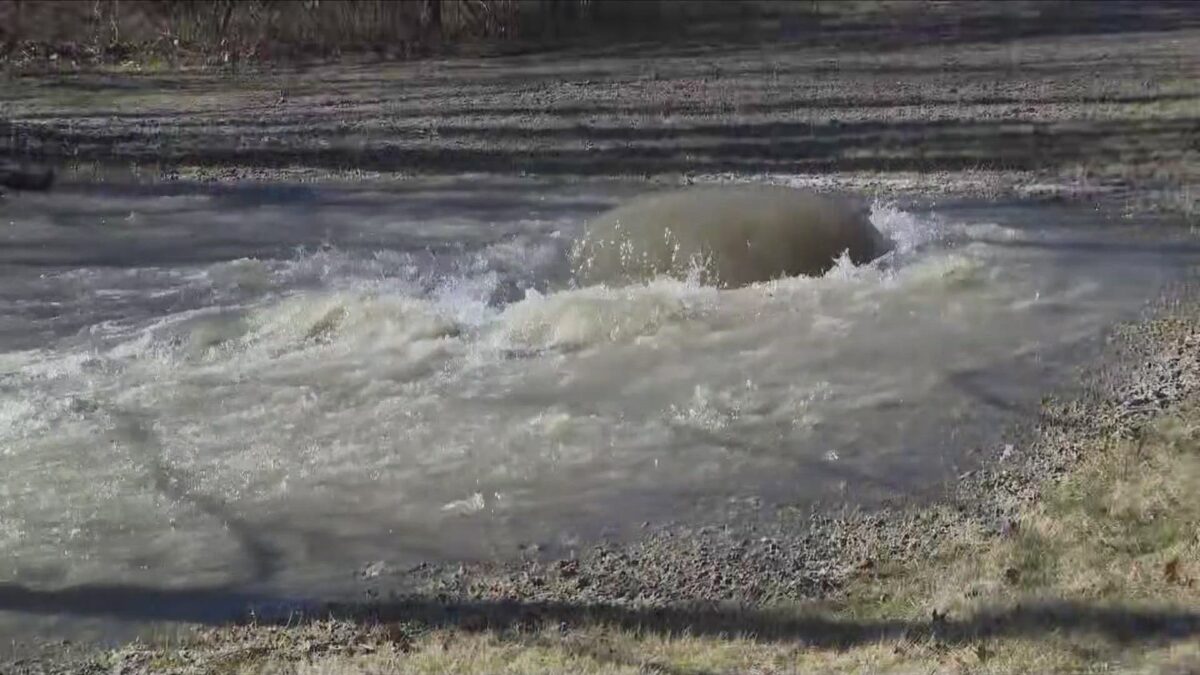
The sewage spill in the Potomac River should have been a straightforward matter of both state and federal authority. While the states of Virginia and Maryland border the river where the spill occurred north of Washington D.C., navigable waterways fall squarely under federal jurisdiction. The executive branch may, based on that fact, take responsibility and respond quickly when an environmental emergency threatens public health and interstate resources. Under normal circumstances, the states should seek to clean up the situation first, but if needed the federal government may step in, coordinate with state agencies, and get the job done.
President Trump’s response to the spill has triggered a political firestorm, not because of what he is doing, but because of how he is choosing to do it. After criticism from Democrats accusing him of overreach in unrelated immigration enforcement actions, Trump told the governors of Maryland and Virginia that he would take over the cleanup effort “if they ask nicely.”
Maryland’s governor fired back that he was already “asking nicely” for Trump to “do your job.”
The exchange may seem petty on the surface, but it reveals a deeper tension that has been simmering for years: the selective outrage over federal involvement in states.
For months, critics have accused the administration of deploying federal personnel for immigration enforcement without first seeking permission from state officials. The irony, of course, is that the federal government does not need state permission to enforce federal law, such as immigration. The narrative of “federal intrusion” has been politically useful for those who oppose the administration’s policies.
Now, with the Potomac spill, the script has flipped. The same voices who insisted that federal agents must not act without state approval are suddenly demanding immediate federal intervention. And when the President responds by taking their argument at face value, requiring a formal request before stepping in, they accuse him of dereliction.
It is a classic case of being damned if you do and damned if you don’t.
If the administration acts decisively without waiting for state approval, it is accused of authoritarian overreach. If it waits for the states to request assistance, it is accused of negligence. Either way, the outrage machine keeps running.
What this moment exposes is not a constitutional crisis, but a political one. The debate is no longer about the proper balance of federal and state authority. It is about who gets to control the narrative. When federal action is conducted by a Democrat President, it is welcomed. When it does not, it is condemned as illegitimate. If Trump is behind it, no matter the truth, his opposition goes on the attack.
By insisting that Maryland and Virginia “ask nicely,” the President is highlighting the inconsistency. If the Democrats are going to demand that permission is the new standard for any federal involvement while Trump is in office, then it must apply across the board. If it is not, then critics must admit that their earlier objections were political, not constitutional.
The Potomac spill will be cleaned up. The federal government will grab the issue by the reins and get it done. But the episode leaves behind a revealing snapshot of the current political climate: a landscape where principles are invoked selectively, outrage is deployed strategically, and the rules change depending on who occupies the Oval Office.
In that sense, the spill is more than an environmental incident. It is a mirror held up to the nation’s political class, and the reflection is not flattering.
— Political Pistachio Conservative News and Commentary