
By Douglas V. Gibbs
In the ancient city of Berea, a remarkable scene unfolded as recorded in Acts 17:11. The Apostle Paul arrived with his message, and the people there received it with what Luke describes as “great excitement.” Yet, what set them apart from the Thessalonians was not their enthusiasm, but their methodology. These Bereans, Luke notes, “were more noble than those in Thessalonica, in that they received the word with all readiness of mind, and searched the scriptures daily, whether those things were so.”
This Berean spirit represents more than mere intellectual curiosity. It embodies a profound commitment to truth that transcends time and circumstance. As both a Christian and a constitutionalist, I see in this passage a blueprint for navigating the treacherous waters of modern discourse, where deception masquerades as truth and falsehood wears the costume of wisdom.
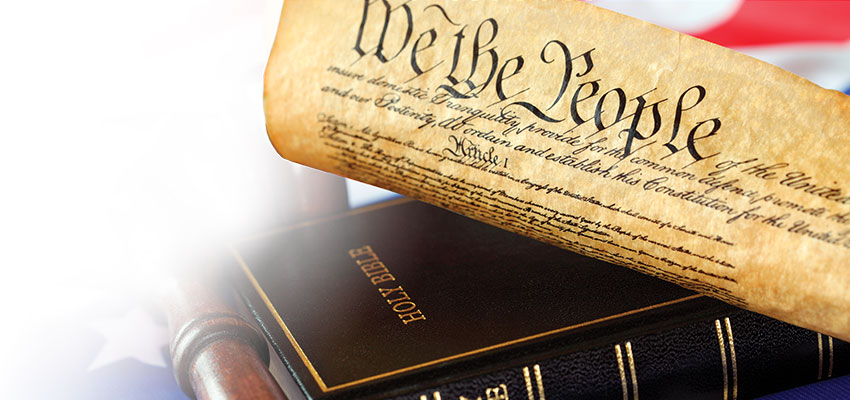
For the Christian, the Bible stands as the ultimate standard of truth against which all teachings must be measured. For the constitutionalist, the Constitution serves as the supreme law of the land, the fixed standard against which all governmental actions must be judged. Though different in scope and authority, both documents share a crucial characteristic: they claim to be objective standards that transcend personal preference or popular opinion.
The Bereans understood this principle. They didn’t evaluate Paul’s teachings based on his charisma, rhetorical skill, or the persuasiveness of his arguments. They evaluated his message against an external, authoritative standard: the Hebrew Scriptures. This approach protected them from deception and false teaching, which the Bible repeatedly warns us to avoid. As 1 John 4:1 instructs, “Beloved, believe not every spirit, but try the spirits whether they are of God: because many false prophets are gone out into the world.”
In my constitution classes, I told students not to believe what I say simply because I said it. Instead, I encouraged them to follow my resources, consult the original documents, and conduct their own research. This isn’t humility for its own sake; it’s an acknowledgment that truth exists independently of any human teacher and that each individual bears responsibility for discerning it.
We have all been influenced by our upbringing, education, and cultural context. Our parents, friends, and worldly influences have all played roles in shaping our beliefs and actions. We see this clearly in today’s political landscape, where socialist and communist ideologies rise in American politics, leading many astray from both biblical principles and constitutional values.
Yet in the end, we make our own decisions. Right, wrong, or somewhere in between, we are the ones who say yes, no, or maybe. We cannot ultimately blame others for our conclusions, though we must acknowledge their influence on our journey.
How do we apply this Berean method today? First, we must establish our standards. For the Christian, that means grounding ourselves in Scripture through regular study and meditation. For the constitutionalist, it means developing a deep familiarity with the Constitution’s text, original meaning, and historical context.
Second, we must approach new ideas with both openness and discernment. The Bereans received Paul’s message “with all readiness of mind.” They weren’t cynical skeptics looking for reasons to disbelieve. Neither, were they gullible believers accepting everything without question. They listened eagerly but examined carefully.
Third, we must do the hard work of verification. This requires daily discipline, not occasional checks. The Bereans “searched the scriptures daily,” not weekly or monthly. Consistent engagement with our foundational documents is essential for developing the discernment necessary to recognize deception.
Deception surrounds us today. It comes from political leaders, media personalities, academic institutions, friends, family, and sometimes even religious figures. If we don’t know the truth, how can we determine if we’re being deceived?
When we discover deception, the Bible offers guidance on how to respond. Sometimes, the appropriate response is separation – avoiding those who persist in promoting falsehood after correction. At other times, it’s engagement – reasoning with others as Paul did in the marketplace and synagogue. The key is maintaining our alignment with truth while exercising wisdom about which influences merit direct engagement versus which require firm boundaries.
For constitutionalists and Christians today, this means evaluating all political teachings, media narratives, and policy proposals against our foundational documents. It means acknowledging how personal influences shape all perspectives while maintaining intellectual humility. It means engaging respectfully with those holding different views when possible, but recognizing when deception requires firm boundaries.
The Berean approach offers a path forward in an age of confusion and deception. By grounding ourselves in truth, examining all teachings against our standards, and taking personal responsibility for our conclusions, we can navigate the complexities of modern discourse without being led astray.
Whether in the realm of faith or politics, in the church or the public square, we must be like the Bereans – eager to learn but committed to verifying everything against the truth. Only then can we fulfill our dual responsibilities as faithful Christians and engaged citizens, standing firm for both biblical principles and constitutional values in an age that desperately needs both.
The question remains: Will we be like the Thessalonians, swayed by charisma and emotion? Or will we be like the Bereans, noble in character, eager to learn, and committed to testing everything against the truth? The answer we give will shape not only our own lives but the future of our constitutional republic and our faith.
— Political Pistachio Conservative News and Commentary