
By Douglas V. Gibbs
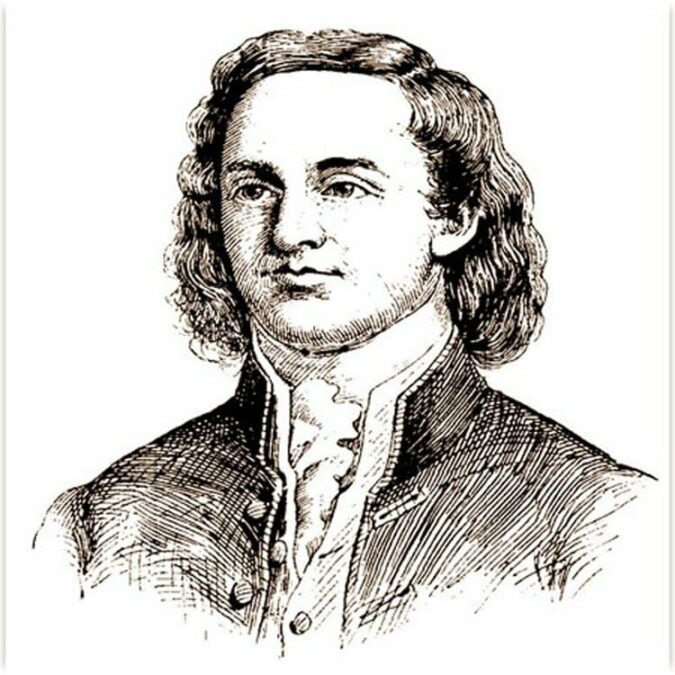
William Williams was a delegate from Connecticut to the Continental Congress and one of the signers of the Declaration of Independence. His story illustrates the profound conviction and courage of the patriots who risked everything for American independence.
During a meeting in Connecticut after the Declaration had been signed, a gentleman was expressing relief that he hadn’t signed the document, believing this made him safe from potential British reprisals. William Williams, who had signed the Declaration and thus committed treason against the Crown, confronted this man with his powerful response.
Williams told the man that rather than being safe, he should be “hung for not doing his duty” – suggesting that cowardice and failure to support the cause of liberty when his country needed him was actually more shameful than the “treason” of signing the Declaration.
This story encapsulates the mindset of the revolutionary patriots, who believed that standing for liberty was not just a political choice but a moral obligation. Williams’ response reflected the deep conviction that true honor lay in risking everything for the cause of freedom, rather than in protecting one’s personal safety at the expense of principle.
Like all 56 signers, Williams faced genuine danger. The British considered them traitors with a bounty on their heads. Many suffered personally for their decision – some lost their homes, their fortunes, or even their lives. Yet they remained steadfast in their commitment to the cause of independence, believing that liberty was worth any price.
— Political Pistachio Conservative News and Commentary