
by Douglas V. Gibbs
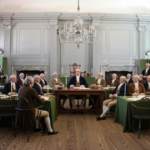
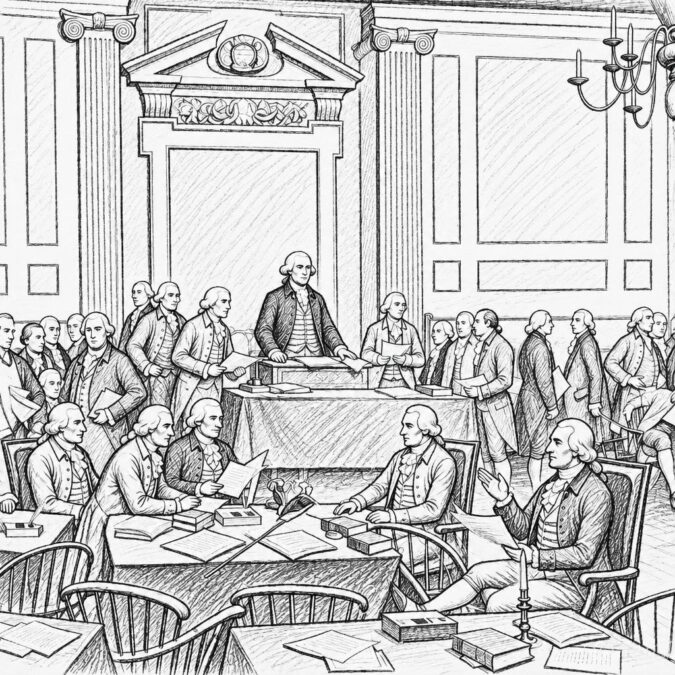
September 17, 1787: Thirty-nine delegates from twelve states signed the U.S. Constitution. Thirty-eight signers were physically present with John Dickinson of Delaware too ill to attend, so fellow delegate George Read signed Dickinson’s name by proxy alongside his own. Secretary William Jackson signed the document to attest to its authenticity, bringing the total number of names on the final parchment to 40, but he was not a voting delegate. Three delegates who were present at the convention (Elbridge Gerry, Edmund Randolph, and George Mason) did not sign the final document. Mason refused because the document lacked a Bill of Rights and did not outlaw slavery. Gerry withheld his signature over concerns about the fairness of representation, and because he believed the power given the federal government was excessive. Randolph was concerned the document gave the executive branch too much unchecked authority, and believed that only state conventions should be allowed to submit amendments before final ratification.
— Political Pistachio Conservative News and Commentary