
By Douglas V. Gibbs
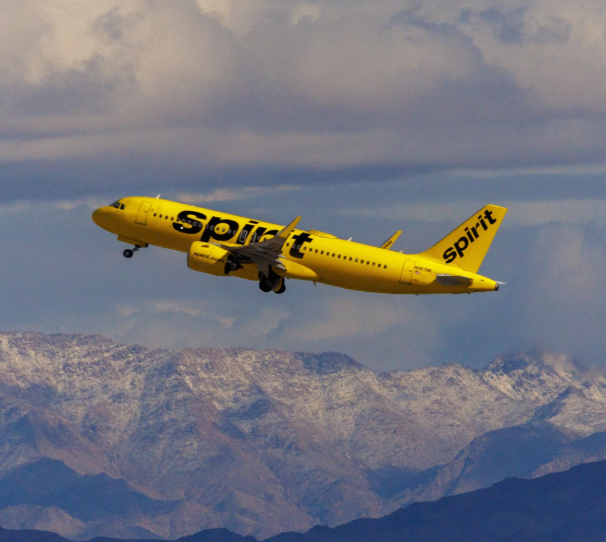
The recent collapse of Spirit Airlines has left thousands of passengers stranded and employees jobless, but behind this corporate failure lies a story of political ideology trumping economic reality. As the chaos unfolded following Spirit’s cessation of operations, it became clear that a potential lifeline was deliberately cut not by market forces, but by a Democratic administration hostile to private enterprise.
In 2023, Spirit Airlines, already struggling financially, sought salvation through a $3.8 billion merger with JetBlue Airways. This deal represented a genuine opportunity for two smaller carriers to combine resources and scale up to better compete with industry giants. But the Biden administration, under the guise of protecting consumers, moved to block this merger through a Department of Justice lawsuit. A federal judge ultimately sided with the administration in 2024, citing antitrust concerns and claiming the deal would raise prices and reduce competition.
Senator Elizabeth Warren celebrated this decision as “a Biden win for flyers,” declaring that blocking the merger would prevent “fewer flights and higher fares.” This ideological victory lap came despite Spirit’s precarious financial position, which had already led to bankruptcy filings in 2024 and again in 2025.
The consequences of this political interference have been devastating. With the merger blocked and fuel prices soaring amid Middle East tensions, Spirit’s financial situation deteriorated rapidly. The airline had expected to emerge from bankruptcy protection by mid-2026, but those plans collapsed as jet fuel costs doubled in some places following U.S. military actions against Iran. By May 2026, Spirit had ceased operations entirely, leaving travelers scrambling and employees facing unemployment.
Transportation Secretary Sean Duffy announced relief measures, including capped rebooking fares from other airlines, but these are mere bandages on a self-inflicted wound. The Trump administration attempted to throw a lifeline to Spirit, even approaching JetBlue again to resurrect the blocked merger, but these efforts came too late.
The irony is thick: by supposedly protecting competition, the Biden administration’s actions have actually reduced it. As Republican officials correctly pointed out, blocking a merger of smaller competitors trying to combine resources makes little sense. It risks making both Spirit and JetBlue less able to compete with the industry’s “big guys” and ultimately leaves the airline industry less competitive, harming consumers.
The Democratic opposition to this merger reveals the party’s fundamental anti-corporate mindset. The idea of a private corporation getting bigger simply drives these people nuts, regardless of the economic realities or consequences for workers and consumers. This collectivist dislike of private enterprises has become a defining feature of modern progressivism, where ideological purity trumps practical solutions.
Critics have noted that Spirit’s management made significant errors, but the company’s struggles were exacerbated by regulatory overreach. The airline had not turned a profit since 2019 and had already shrunk its fleet from 220 jets to about 80 aircraft before its final collapse. Yet the blocked merger represented its best chance at survival; a chance denied by bureaucrats more concerned with theoretical competition models than actual jobs and affordable travel options.
The shutdown marks the end of an era for discount air travel and demonstrates how regulatory hostility can cripple businesses that provide essential services to working-class Americans. Spirit’s ability to pressure other airlines to lower fares was precisely why the administration opposed the merger – apparently preferring higher prices across the board than allowing a stronger competitor to emerge.
As we witness the fallout from Spirit’s collapse, with passengers left adrift and employees out of work, we must recognize this as a cautionary tale. When ideological opposition to corporate growth overrides sound economic judgment, everyone suffers except perhaps the largest airlines that now face one less competitor. The Democratic Party’s anti-capitalist, Marxist vein has once again prioritized political victories over practical solutions, leaving ordinary Americans to pay the price.
— Political Pistachio Conservative News and Commentary