

By Douglas V. Gibbs
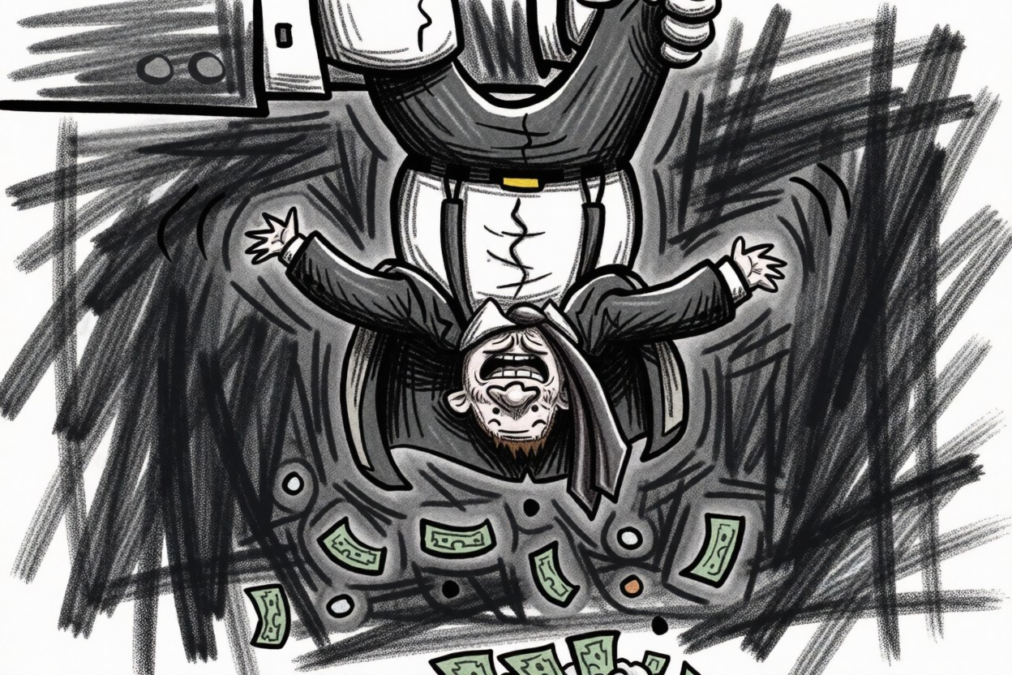
In a recent interview on FOX News, Jesse Watters asked Abdul El-Sayed (DSA Senatorial Candidate in Michigan) about his call to tax the rich, and go after their wealth. Abdul responded, “Do you want to drive on good roads or would you rather have a billionaire make a second billion? Do you want good roads and good schools? They pay so that everyone can have a little bit more.” He then accused Jesse of being for billionaires over average people. “I thought you were for the everyday man,” he said. “Billionaires don’t make their money off of their labor. If we tax them, their still going to make money off of their money.”
Jesse responded with a relatively good answer, but didn’t have the time to go deeper into his argument. Jesse said, “I think I have the right to the fruits of my own labor. I don’t like politicians like you capping how much people can make in America.”
The truth of it all is that Abdul was throwing around socialist rhetoric that is based on economic fallacies and a fundamentally flawed understanding of wealth creation. The Democrats have always had this “the rich get richer and the poor get poorer” argument, basically deducting that wealth is finite. Abdul was is arguing that if the billionaire makes another billion, there won’t be enough money left for “good roads and schools.”
Wealth is created. And if that billionaire makes another billion, it not only did not come out of the pockets of everyday Americans, but in the process that billionaire more often than not created a product, a service, or efficiency that generated billions of dollars of new value in the economy.
As an example, Home Depot makes home improvement less expensive and more accessible. The corporation’s owner got wealthy creating a more efficient system, creating tens of thousands of jobs, lowering prices for millions of families, and allowing countless small contractors to start their own businesses. The billionaire’s wealth grew, but so did the overall size of the economic pie for everyone. Those people, based on the incomes they are making, in addition to the taxes the billionaire is paying, then fund the things that need to be funded – more taxes are collected from the free market growth and innovation accomplished by the billionaire, rather than just taking from the billionaire. And understand, if you penalize the billionaire for making his money, he will be less likely to engage in the market, take the risks, make the investments, and in turn all that he created for society suffers. Going after the billionaires, in turn, actually hurts the everyday man, and in the long run reduces how much revenue is available for roads and schools – not that fixing the schools is a money problem.
As for the “Billionaires don’t make their money off of their labor” statement, Abdul used the classic communist class warfare approach – creating a class distinction between the “worthy” laborer and the “unworthy” capitalist. This ignores the role of intellectual labor, risk, and organizational labor. The billionaire began the process. They took the chances. They risked their capital and early blood, sweat and tears on a vision that could have failed spectacularly and left them with nothing. They made high-stake decisions to navigate the pitfalls of creating a new venture, of which only a few percentage survives those initial stages. They allocated capital, hired the people, put in place strategies, and innovated. A single bad decision can bankrupt a company, and they took that chance. They organized the labor, creating a cohesive, productive enterprise – an ability and skillset that is truly rare – and thanks to their work to get where they are, many people earn their livelihood. The billionaire’s “fruit of his labors” is value created by their risk, decisions, and organizational skill.
In a collective system where taking those types of chances is penalized, who innovates? Who takes those chances? Who would be willing to risk an investment?
Abdul’s position is that if you take from the rich, and give to the public, everyone wins. And the idea is based on the assumption that all rich people are greedy people who are taking from everyone else, and that government somehow will better manage society through central planning. Government creates nothing, and we only need to visit a govenment office to see that their efficiency is not exactly up to par. Taxation is the taking of money, and then those dollars are filtered through layers of ineffecient bureaucracy, with a significant portion lost to administrative overhead before it ever reaches a road or a school. The private sector, driven by profit and competition, is almost always more efficient at allocating capital to where it creates the most value.
Meanwhile, as you tax the rich, you reduce the incentive to take the risks, make the investments, and make the decisions that innovates and produces. In turn, they will invest less, innovate less, and take fewer risks. The result is a government taking billions, but the next billion doesn’t get created because of the disincentive – which means less money is available down the road, less jobs are created, and everyone ends up poorer as a result. Then, the capital flees the jurisdiction heavily taxing the wealthy. It will go where it is welcomed, and in the end, the tax revenue continues to spiral downward, and the economy collapses as a result.
So, to answer Abdul about if you want good roads or a billionaire – you get the best roads and the most opportunity when you have a system that encourages the creation of billionaires. The billionaires wealth is a byproduct of the value they created, and it is not beneficial to the system if government punishes that success. Government’s job is to get out of the way of the market, and instead create a stable framework of necessary law, and a system of reasonable taxation that encourages more people to take risks and create value. In turn, less government involvement in the process of the creation of wealth creates a growing economy, more jobs, and innovations that improve everyone’s lives. And what then will come out of that is better roads and better schools – all because government did not confiscate the earnings of the successful.
— Political Pistachio Conservative News and Commentary