
Abstract – Douglas V. Gibbs
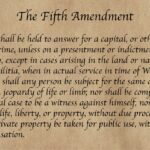
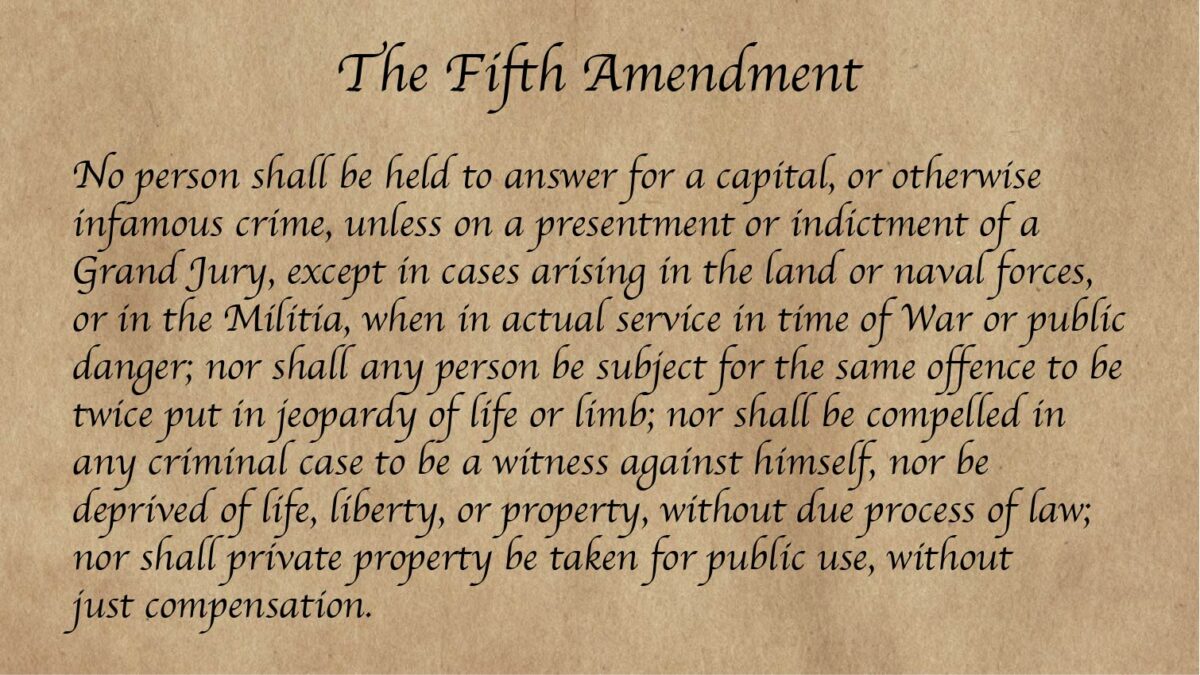
On July 29, 2026, Dr. Anthony Fauci invoked the Fifth Amendment 111 times before the Senate, refusing to answer questions about his role in the COVID-19 pandemic response. The reason for his silence was a full and unconditional pardon issued by President Joseph Biden on his final day in office. Senator Josh Hawley, a lawyer, countered that the pardon nullified Fauci’s right to remain silent, creating a constitutional stalemate this article terms the Pardon Paradox. This Paradox is not an isolated incident but the logical culmination of a two-century transformation of the presidential pardon power—a transformation that has subverted the very structure of the Constitution.
This article traces the pardon power from its original conception at the Constitutional Convention, where it was envisioned as a narrow tool for correcting judicial errors and restoring domestic tranquility, to its modern use as a broad instrument of political protection. We demonstrate that the Framers, fearing executive corruption, embedded the impeachment exception to prevent a President from shielding his own accomplices. Through an examination of early presidential pardons, we show the power was consistently exercised as an act of individual mercy, applied after the judicial process had run its course.
The analysis then pivots to the radical departure from this tradition, beginning with President Ford’s pardon of Richard Nixon and accelerating through the preemptive, sweeping pardons of the Trump and Biden administrations. The Biden pardon of Fauci—covering any and all federal offenses over an eleven-year period, issued before any charges were filed—represents the furthest extent of this evolution.
The core of the article dissects the Pardon Paradox itself. We analyze the competing legal arguments: whether a pardon, like a grant of immunity, extinguishes the Fifth Amendment privilege, or whether the pardon’s limitations (not covering state prosecution or post-pardon conduct) preserve the privilege. This standoff reveals a profound constitutional dysfunction: a pardon so broad it creates uncertainty, and that uncertainty provides the basis for invoking the very privilege the pardon was meant to eliminate. The result is a breakdown of congressional oversight, a degradation of the Fifth Amendment, and the corruption of the pardon power itself.
This article concludes by arguing that the restoration of the pardon power to its original, limited function is a constitutional necessity. We propose a framework for structural reforms, including requiring Senate consent for end-of-term pardons and mandating written statements of reasons, to prevent the power from further eroding the checks and balances at the heart of our republic. The Fauci hearing is a stark warning that when a tool of mercy becomes a weapon of political protection, the entire constitutional order is put at risk.
Mr. Constitution Patron Membership Owners: Read the full deep-dive article:
https://douglasvgibbs.com/pardon-paradox-how-the-broadening-of-presidential-clemency-subverted-the-fifth-amendment-and-the-founders-design/